遺傳性視網膜退化疾病的基因體研究與功能分析
遺傳性視網膜病變有色素性視網膜炎、Leber’s congenital amaurosis、Usher syndrome,、retinoschisis,…等,目前已知超過260基因與遺傳性視網膜病變有關。最常見的遺傳性視網膜病變為色素性視網膜炎,發生率約為三千到四千分之一,症狀為視網膜感光細胞退化與視野狹窄,嚴重可能會導致完全失明。到目前為止,估計尚有近40%與色素性視網膜病變相關的突變基因未被發現,這些未被發現、功能不明的基因成為臨床上診斷與治療最主要的障礙。因此,本實驗室將結合慈濟醫療志業眼科、中研院基因體研究團隊、慈濟大學團隊以及嘉義大學團隊,利用次世代基因定序與相關基因體研究的方法,進行遺傳性視網膜退化疾病相關突變基因的篩檢,並將針對新發現的致病基因或突變點,以不同的細胞及動物模式深入進行功能性研究分析,探討致病基因的細胞分子機轉,同時找出基因型與表現型的關聯性,解析結果將建立資料庫,提供臨床更準確的診斷以發展新穎的治療方式。
計畫主要的目標為:
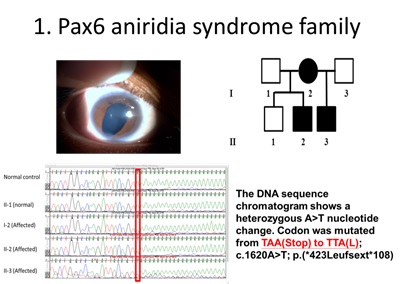
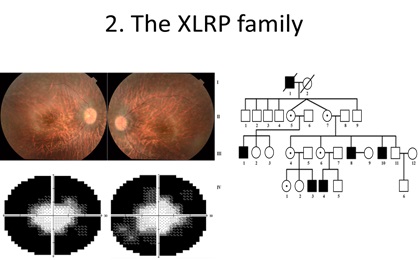
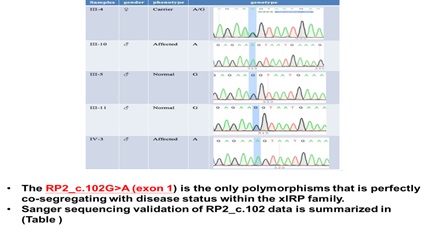
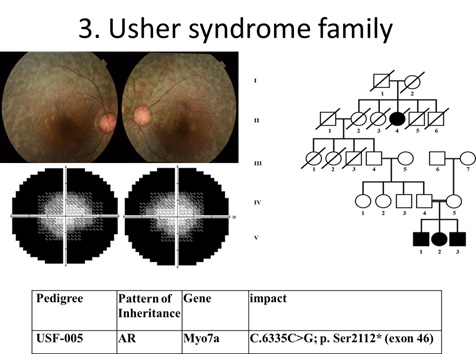
目標一:紀錄遺傳性視網膜病變患者之家族圖譜, 接著利用次世代定序的方法為遺傳性視網膜病變患者與家屬找出致病突變的基因,以建立台灣遺傳性視網膜病變患者基因的資料庫。
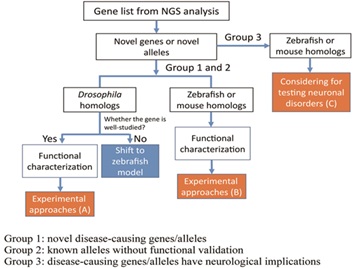
目標二:將找到致病基因做功能性的分析,結合嘉義大學、慈濟大學、慈濟醫院醫師與中研院研究員,分工合作利用細胞,斑馬魚與小鼠模式探討新的致病基因所導致視網膜退化的細胞分子機轉。
目標三:發展新穎之治療策略: 由目標一及目標二研究結果所獲得已知突變基因可轉介病患參與進行中的臨床基因治療,並針對新發現的突變基因發展基因治療。
Genomic and Functional analysis for hereditary retinal dystrophies
Hereditary retinal dystrophies, including retinitis pigmentosa, Leber’s congenital amaurosis, Usher syndrome, retinoschisis and etc., are a group of genetic retinal disorders exhibiting both genetic and phenotypic heterogeneity. Retinitis pigmentosa is the most common hereditary retinal dystrophy affecting 1 in 3000 to 4000 people worldwide. Symptoms include progressive retinal degeneration and constricted visual field that severely affect patients’ normal lives. Some patients will be complete blindness. Currently, at least 40% of cases affected with retinitis pigmentosa bear not-yet-identified genes/mutations that have become a major barrier to accurate diagnosis and effective treatment. Therefore, in this proposal, we plan to apply genomic approaches for discovery of new gene/mutations in hereditary retinal dystrophies including retinitis pigmentosa, and further perform functional analysis of identified novel gens to investigate cellular and molecular mechanisms on cell and various animal models. Findings from this research will provide new targets for developing effective treatments.
Specific Aim 1: Genetic Screening by next-generation sequencing
Specific Aim 2: Investigate the function and molecular mechanism of disease-causing genes.
Specific Aim 3: Develop potential therapeutic strategies:
- Gene Therapy
- Genome Editing
- Small molecule drug